Know Before You Go...®

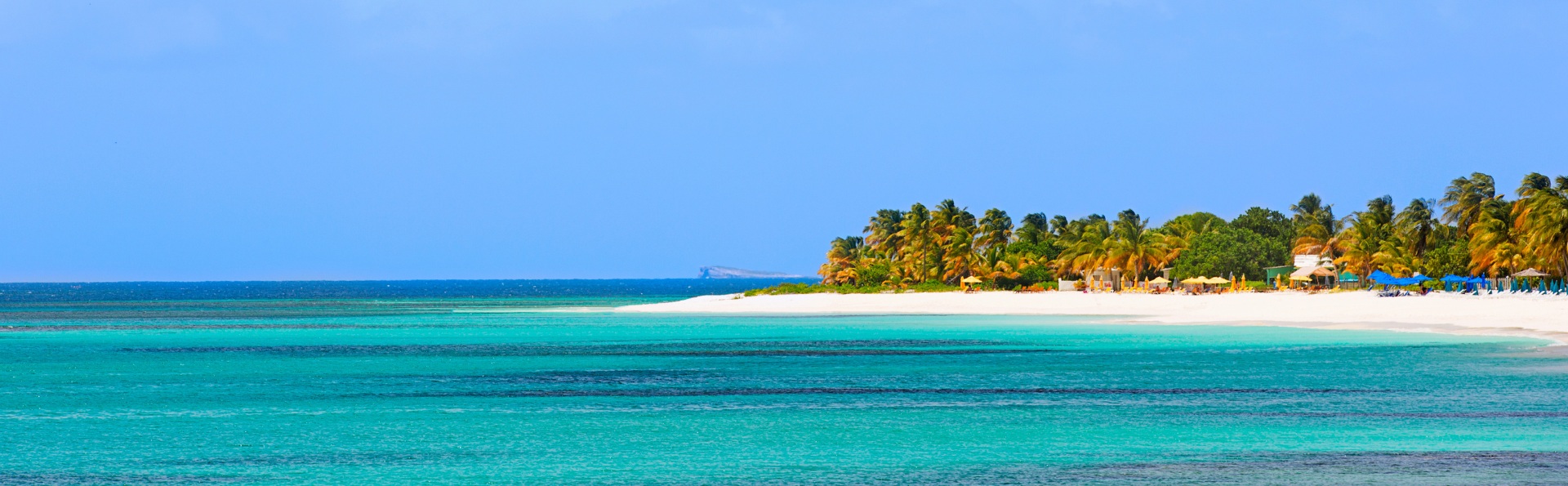
Anguilla offers understated Caribbean elegance with white sands and turquoise waters. Luxury villas in Anguilla line Shoal Bay and Meads Bay, offering private beach access, open-air living spaces, and sleek infinity pools. Villa rentals in Anguilla are perfect for travelers seeking exclusivity, with butler service and panoramic views of the Caribbean Sea.

Why Anguilla?

  • Anguilla is the most northerly of the Leeward Islands in the Caribbean.
  • The island is made up of 33 stunning, secluded white sand beaches.
  • Anguilla is known for its turquoise blue waters and crystal clear lagoons.
  • The local currency in Anguilla is the Eastern Caribbean Dollar.
  • Browse our Anguilla vacation rentals.

Anguilla Weather/Climate

Average Temperatures

January
83° F
° F
February
83° F
° F
March
83° F
° F
April
84° F
° F
May
86° F
° F
June
88° F
° F
July
88° F
° F
August
88° F
° F
September
88° F
° F
October
87° F
° F
November
85° F
° F
December
83° F
° F

Average Rainfall

January
2.4 inches
February
1.7 inches
March
1.7 inches
April
2.6 inches
May
3.8 inches
June
2.5 inches
July
3.0 inches
August
3.9 inches
September
5.2 inches
October
4.3 inches
November
5.1 inches
December
3.4 inches

History

The story of Anguilla, a small jewel tucked away in the Caribbean, is as rich as it is captivating. Evidence of the island’s earliest inhabitants—the Arawak people—still lingers today in the form of ancient petroglyphs and fragments of pottery. Its long, narrow shape is likely what led the Spanish to name it “Anguilla,” meaning “eel.” Much of the island’s colonial past took shape in the 1600s, when European settlers arrived and the British established control in 1650.

Throughout the centuries, Anguilla’s defining trait has been resilience. Life here was never easy; the 18th and 19th centuries brought economic strain, isolation, and the relentless blows of hurricanes. Yet, out of those hardships grew a fierce sense of determination. The Anguilla Revolution of 1967 became a symbol of that spirit, as islanders rose up against imposed rule and declared their separation from St. Kitts and Nevis. Their efforts were rewarded in 1980, when Anguilla was officially recognized as a separate British Overseas Territory.

Today, Anguilla is celebrated for its unspoiled beauty and easygoing charm. With its powdery white beaches and crystal-clear waters, the island draws travelers from every corner of the globe. Beneath its calm surface, though, lies a proud legacy of independence and endurance—a reminder that Anguilla is much more than a tropical paradise; it’s a living story of strength and identity.

Transportation on Anguilla

Getting to Anguilla and getting around. Our transportation tips will help make your trip smoother. More good sand advice.

Entry Documents

  • Passport: Valid for the duration of your stay.
  • Visa: Not required for most nationalities for stays up to 3 months.
  • Return or Onward Ticket: Proof of departure from Anguilla.
  • Travel Authorization: As of November 2024, all travelers to Anguilla are required to obtain pre-travel authorization. Persons without travel authorization may be refused entry to Anguilla. All visitors must complete an individual application (including children).

Departure Tax

A departure tax of US$28 is charged at the airport; US$28 at the ferry port on the French side; US$36 at the ferry port on the Dutch side.

Driving

  • License: Visitors can drive with a valid foreign driver's license for up to three months.
  • Permit: A temporary driving permit is required, obtainable at the police station.
  • Driving Side: Left-hand side of the road.
  • Road Conditions: Generally good, with paved roads and clear signage.
  • Speed Limits: Typically 30 mph (48 km/h) island-wide.
  • Traffic Rules: Be mindful of all traffic signals, speed bumps, pedestrians, and animals – especially goats.

Local Transportation

There are several methods to get around Anguilla, depending on your preferred mode of transportation. The most popular alternative is a taxi, which has predetermined prices for trips to well-known locations including restaurants, resorts, and beaches. Because the island is tiny, easy to travel, and has well-maintained roads, renting a car is a wonderful option for people who want more independence. Cycling, which provides a leisurely and environmentally responsible way to appreciate the island's stunning nature, is another popular pastime of tourists. Most visitors find that cabs or rental automobiles are the most practical means to get around, even though there are a few local buses that run between the major areas.


Know Before You Go...® - Anguilla Travel Tips

Before making their way to Anguilla , vacationers like to know a little bit of helpful information to make them feel more at home during their stay. Take a look at our travel tips to make your time in villas in Anguilla even more relaxing.

Capital: The Valley
Population: 15,000 (estimated)
Size: 35 square miles
Electric Current: 110/120
Time: Timezone: AST, 2026-06-09 03:13:22
(GMT Offset: -4 hours, DST: No)
Official Language: English is the official language of Anguilla.
Currency:
  • The official currency is the Eastern Caribbean Dollar (XCD). However, the US Dollar (USD) is widely accepted across the island.
  • ATMs: Available in major towns and tourist areas.
  • Credit and Debit Cards: Major cards (Visa, Mastercard, American Express) are accepted in most establishments.
  • Contactless Payments: Increasingly common in hotels, shops, and restaurants.
Tipping and Taxes:
  • Tipping: Not mandatory but appreciated. Leaving 10-15% of the bill is customary in restaurants and for guides.
  • VAT (Value Added Tax): 5% is typically included in displayed prices for goods and services.
Dress Code: Anguilla has a relaxed dress code. Lightweight, casual clothing is suitable for the warm climate. Swimwear is appropriate at the beach but should be covered when away from the shore.
Topography: Anguilla features flat terrain with white-sand beaches, clear waters, and coral reefs. The island is known for its natural beauty and tranquil environment.
Telephone: * Country Code: +1-264 * Area Code: 264 * Mobile Networks: Widely available. * Wi-Fi: Accessible in most hotels, restaurants, and public spaces.

Anguilla Weddings and Honeymoons

In Anguilla, the process of getting married is straightforward. Couples must apply for a marriage license at the local registry office. Required documents include:

  • Valid passports or national ID cards for both parties.
  • Birth certificates for both parties.
  • Proof of marital status: If divorced, a final divorce decree; if widowed, a death certificate of the spouse.
  • Proof of residence in Anguilla (if applicable).
  • Affidavit of no impediment to marriage (a statement affirming both parties are legally eligible to marry).

The marriage license costs approximately US$20. For weddings outside of the registry office, additional fees for the officiant apply, ranging from US$65 to US$200. It’s recommended to apply for the license at least 30 days before the intended wedding date.

See our favorite Anguilla villas for weddings.

See our favorite Anguilla villas for honeymoons.

See all our luxury villas in Anguilla