Overview
From the rugged peaks of the Blue Mountains to calm, pristine beaches, Jamaica teems with natural beauty, all served up to visitors with the unforgettable warmth of its residents.
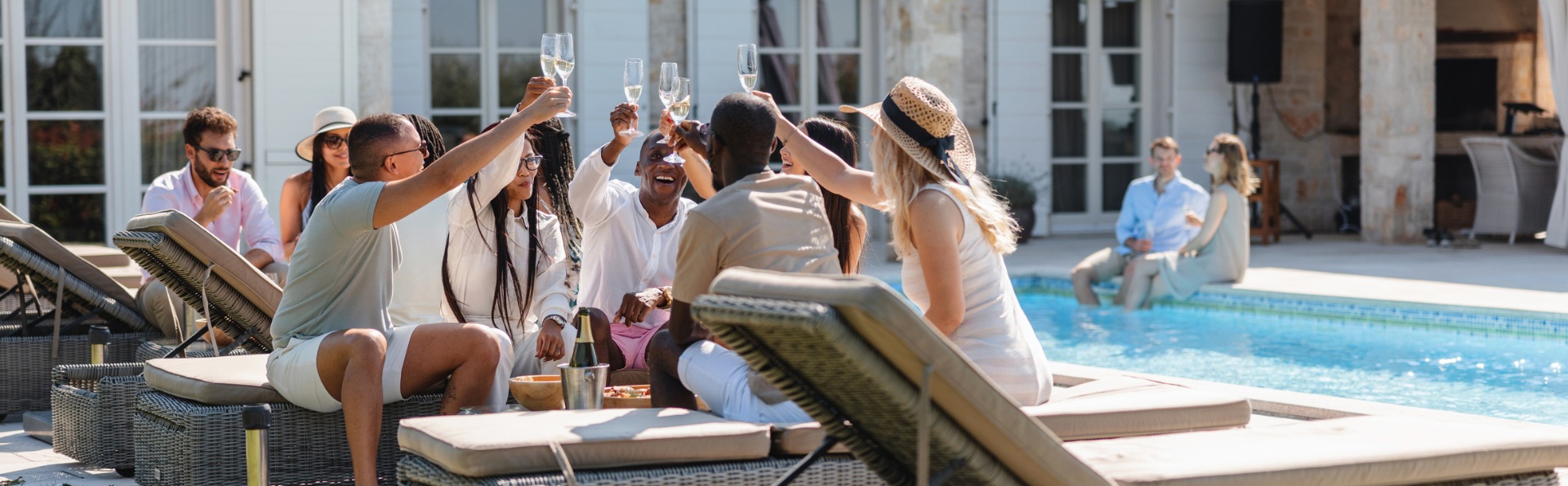
Jamaica's pleasures and easy acess have given rise to many resorts, which range from luxurious, chic hideaways and fully staffed private villas - some of them perched on seaside cliffs, to popular all-inclusives and charming inns and guest houses.
The island's diverse natural resources provide seemingly endless ways to have fun. You can climb waterfalls, golf at your choice of 11 courses, or tour via bicycle, moped, motorcycle or jeep. Horseback riding or horse racing at Caymanas Park in Kingston are also options for fun on Jamaica. Or, you can venture in search of blue marlin, wahoo or tuna on the full or half-day deep sea fishing charters offered by most hotels. They include boat, captain, crew and equipment.
Jeep and hiking tours of the Blue Mountains, which soar above 7,000 feet often include visits to rum factories and renowned coffee farms. To experience the exotic marine life, fans, sponges, and underwater walls, enlist the services of the many islandwide licensed diving operators that offer rental equipment and instruction.
Jamaica also has 120 rivers to enjoy, including the Rio Grande in Port Antonio, the birthplace of bamboo rafting. Imagine floating down river as your guide propels the craft with a long bamboo pole, all the while singing folk songs and identifying the surrounding flora and fauna. Or hike along the river with a guide who will reveal the ancient medicinal remedies found in the surrounding plants before taking you for a dip in a hidden waterfall.
After all that activity, the tastiest way to get in touch with the local culture is through the interesting, spicy cuisine. The national favorites include the fish called ackee and saltfish. Mouth-tingling spicy jerk pork and chicken, a Jamaican invention, can be savored on the beach, right off the wood-burning grill for a casual lunch. But the island does not lack other choices. International food critics have lauded the restaurants which have brought local dishes to gastronomic heights.
Most enticing may be Jamaica's reputation for its laid-back atmosphere, epitomized by the slow groove of its reggae music. The genre was created by the late Bob Marley, considered one of Jamaica's national heroes.
History
Jamaica, one of the largest Caribbean islands, was inhabited by Arawak natives. When Christopher Columbus arrived on the island in 1494, he claimed the land for Spain. A few decades after Columbus' death almost all Arawaks had been exterminated. Spain held the island against many buccaneer raids at the main city, which is now called Spanish Town. Eventually England claimed the island in a raid, but the Spanish did not relinquish their claim to the island until 1670.
Jamaica became a base of operations for buccaneers, including Captain Henry Morgan. In return these buccaneers kept the other colonial powers from attacking the island. Africans were captured, kidnapped, and forced into slavery to work on plantations when sugarcane became the most important export on the island.
Many slaves arrived in Jamaica via the Atlantic slave trade during the same time enslaved Africans arrived in North America. During this time there was racial tension, and Jamaica had one of the highest instances of slave uprisings of any Caribbean island. After the British crown abolished slavery, the Jamaicans began working toward independence which was achieved in 1962.
close