Know Before You Go...®

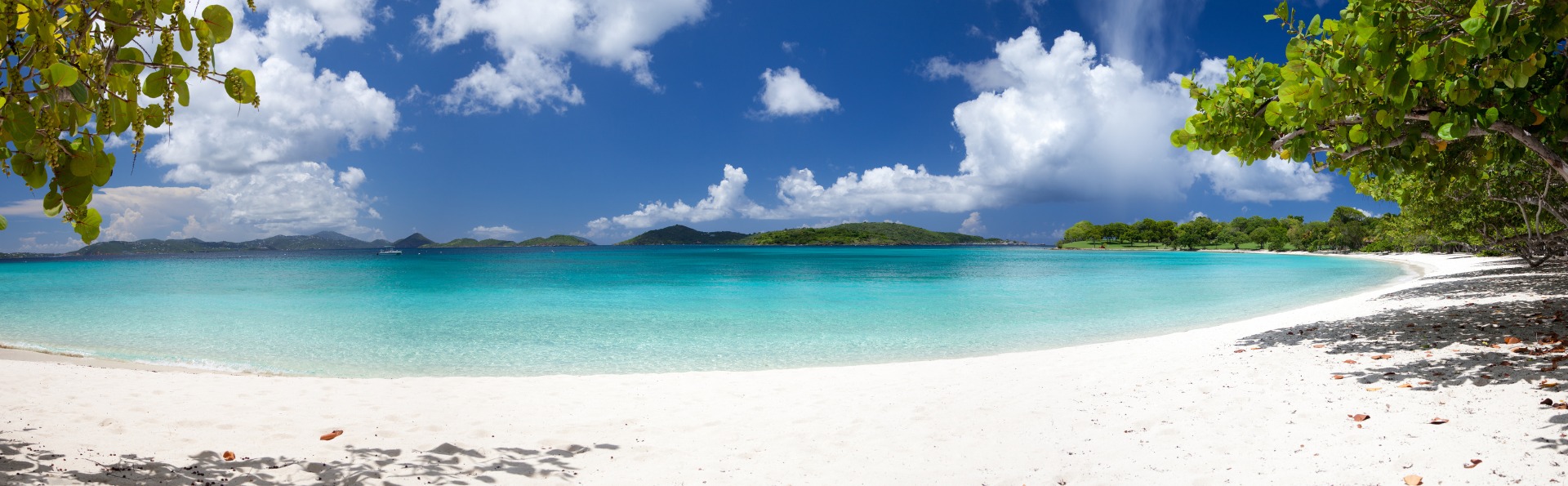
Unspoiled and serene, St. John is a nature lover’s paradise. Luxury villas in St. John embrace eco-chic design with panoramic decks and private trails to hidden beaches. Villa rentals in St. John offer an intimate experience of the USVI, with easy access to Virgin Islands National Park.

Why St. John?

  • St. John is the smallest of the three US Virgin Islands.
  • The island is home to the Virgin Islands National Park, which covers nearly 60% of St. John's landmass.
  • St. John is home to several pristine beaches, including Trunk Bay and Cinnamon Bay.
  • The island is home to a variety of tropical wildlife, including lizards, iguanas, and hermit crabs.
  • St. John is a popular destination for sailing, snorkeling, and kayaking.
  • Browse our St. John vacation rentals.

St. John Weather/Climate

Average Temperatures

January
78° F
° F
February
79° F
° F
March
81° F
° F
April
83° F
° F
May
83° F
° F
June
85° F
° F
July
86° F
° F
August
86° F
° F
September
85° F
° F
October
84° F
° F
November
81° F
° F
December
79° F
° F

Average Rainfall

January
1.8 inches
February
1.4 inches
March
1.5 inches
April
2.5 inches
May
3.4 inches
June
2.6 inches
July
2.4 inches
August
3.5 inches
September
4.8 inches
October
5.5 inches
November
5.3 inches
December
2.8 inches

History

St. John is one of the smaller islands in the Caribbean Sea and is part of the United States Virgin Islands. It has long been admired for its pristine beaches, crystal-clear waters, and thick, green forests. Beyond its beauty, the island carries a layered history shaped by its indigenous people, European colonization, and the era of the transatlantic slave trade.

The earliest known settlers were the Taino, who called the island “Ciboney,” or “rocky land.” They lived peacefully, relying on fishing and small-scale farming to sustain themselves. That changed in 1493, when Christopher Columbus arrived during his second voyage to the New World. He claimed the island for Spain and gave it the name “San Juan,” in honor of a Christian saint.

For many years afterward, St. John saw little European settlement. Interest picked up in the 1600s, when both the Dutch and the English began eyeing the island. The Dutch made an attempt at a settlement in 1625, but clashes with the native population forced them to abandon it.

By the mid-17th century, the English had established a lasting foothold. They built a fort and introduced sugar plantations, which thrived thanks to the island’s fertile soil and favorable climate. Enslaved Africans were brought in to labor on the plantations, and St. John became closely tied to the brutal transatlantic slave trade.

In 1733, Denmark’s West India and Guinea Company purchased the island and officially renamed it “St. John,” after Danish King Christian VII. Under Danish rule, sugar production expanded, and rum distilleries were established. The prosperity, however, came at the cost of unimaginable suffering for the enslaved, whose harsh conditions led to repeated uprisings.

More than a century later, in 1917, the United States bought St. John and the rest of the Virgin Islands from Denmark. With the decline of sugar, tourism became the island’s economic backbone, and luxury resorts soon replaced plantations as its defining industry. Though its past as a center of the slave trade remains a dark chapter, the island today is celebrated as a tropical getaway.

In 1956, most of St. John was declared a national park, ensuring that both its natural beauty and the ruins of its plantation past would be preserved. Today, visitors come for its beaches and culture, but leave with a deeper appreciation of an island where Caribbean landscapes and centuries of history meet.

Transportation on St. John

Getting to St. John and getting around. Our transportation tips will help make your trip smoother. More good sand advice.

Entry Documents

  • Passport: Valid for the duration of your stay.
  • Visa: Not required for U.S. citizens. Most other nationalities do not need a visa for stays of up to 90 days.
  • Return or Onward Ticket: Proof of departure from St. John is required.
  • Travel Authorization: No pre-arrival authorization is needed for U.S. citizens, but foreign nationals may need to complete a health declaration or entry form depending on current regulations.

Departure Tax

There is no departure tax on St. John, as it is part of the U.S. Virgin Islands.

Driving

  • License: Visitors can drive with a valid foreign driver's license for up to 90 days.
  • Permit: A temporary driving permit is required, obtainable at the Department of Motor Vehicles.
  • Driving Side: Left-hand side of the road.
  • Road Conditions: Generally good, though some roads may be narrow, winding, and steep in more rural areas.
  • Speed Limits: Typically 25-35 mph (40-56 km/h) in urban areas, and higher speeds on highways.
  • Traffic Rules: Be mindful of local traffic regulations and watch out for pedestrians, especially in popular tourist spots. Always exercise caution when driving on narrow, hilly roads.

Local Transportation

1. Public buses: The VITRAN bus system operates throughout St. John and offers affordable fares and convenient routes around the island.

2. Taxis: Taxis are readily available on St. John and can be found at most popular tourist spots and near the ferry docks. They are a more expensive option but offer convenient door-to-door service.

3. Car rentals: Renting a car is a popular way to get around St. John, as it gives visitors the freedom to explore the island at their own pace. There are several car rental companies on the island.

4. Scooter or bicycle rentals: For a more adventurous option, visitors can rent scooters or bicycles to explore the island. This is a great way to see more of the natural beauty of St. John and avoid traffic.

5. Water taxis: With St. John being surrounded by water, water taxis are a popular and unique mode of transportation. They can take visitors to different parts of the island or to nearby islands for day trips.

6. Walking: St. John is a small island and many of its main attractions and beaches are within walking distance of each other. Walking is a great way to explore the island and take in its scenic views.

7. Jeep tours: There are several companies on St. John that offer Jeep tours, taking visitors to some of the island's more remote and off-the-beaten-path locations. This is a fun and exciting way to see the island.

8. Private boat charters: For a luxurious and customizable transportation option, visitors can hire a private boat charter to explore the surrounding islands or to take them to specific destinations on St. John.


Know Before You Go...® - St. John Travel Tips

Before making their way to St. John , vacationers like to know a little bit of helpful information to make them feel more at home during their stay. Take a look at our travel tips to make your time in villas in St. John even more relaxing.

Capital: Cruz Bay
Population: 5,000 (estimated)
Size: 20 square miles
Electric Current: 110
Time: Timezone: AST, 2026-06-09 07:08:08
(GMT Offset: -4 hours, DST: No)
Official Language: English is the official language of St. John, as it is a U.S. territory.
Currency:
  • The official currency is the U.S. Dollar (USD).
  • ATMs: Available in Cruz Bay and other popular tourist areas.
  • Credit and Debit Cards: Major cards (Visa, Mastercard, American Express) are accepted at most establishments.
  • Contactless Payments: Common in hotels, shops, and restaurants.
Tipping and Taxes:
  • Tipping: Tipping is customary but not mandatory. It is common to leave 10-15% in restaurants, and small tips are appreciated by taxi drivers, hotel staff, and tour guides.
  • Hotel Tax: 12.5% on room rates.
  • Sales Tax: 4% sales tax is applicable to most goods and services.
Dress Code: St. John has a casual, laid-back dress code. Lightweight, breathable clothing is suitable for daytime activities, and swimwear is appropriate at the beach but should be covered when away from the shore. Smart casual attire is recommended for dining at upscale restaurants and resorts.
Topography: St. John is the smallest of the three U.S. Virgin Islands and is known for its lush landscapes, beautiful beaches, and clear, turquoise waters. The island is home to Virgin Islands National Park, which covers two-thirds of the island.
Telephone: * Country Code: +1-340 * Area Code: 340 * Mobile Networks: Widely available across the island. * Wi-Fi: Accessible in most hotels, resorts, cafes, and public spaces.

St. John Weddings and Honeymoons

In St. John, the process of getting married is relatively simple and popular among destination wedding couples. Couples must apply for a marriage license at the Superior Court of the Virgin Islands. Required documents include:

  • Valid passports for both parties.
  • Birth certificates for both parties.
  • Proof of marital status: If divorced, a final divorce decree; if widowed, a death certificate of the spouse.
  • Proof of residence in St. John (if applicable).
  • Affidavit of no impediment to marriage (a statement affirming both parties are legally eligible to marry).

The marriage license costs approximately US$50. Additional fees for the officiant range from US$100 to US$300, depending on location and ceremony type. It is recommended to apply for the license at least 3 days before the intended wedding date.

See our favorite St. John villas for weddings.

See our favorite St. John villas for honeymoons.

See all our luxury villas in St. John