Know Before You Go...®

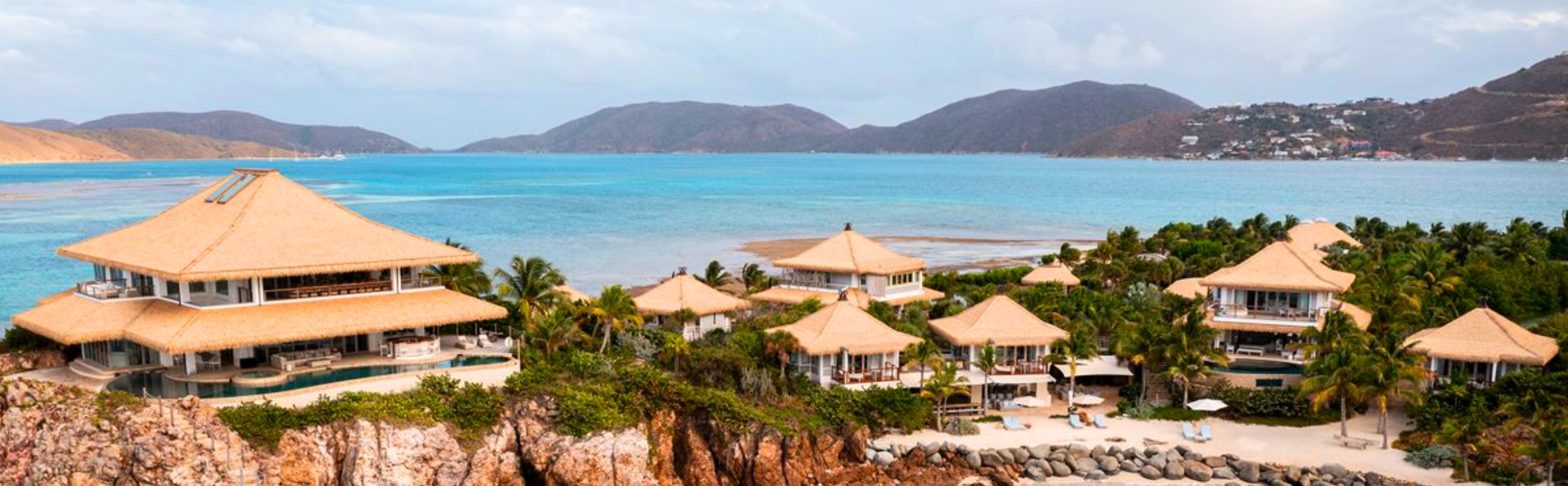
Scattered like emeralds in turquoise waters, the British Virgin Islands (BVI) offer secluded elegance. Luxury villas in the British Virgin Islands span hilltop estates on Virgin Gorda to beachfront homes on Tortola, all with sweeping sea views. Villa rentals in the BVI are ideal for sailing enthusiasts and luxury seekers alike.

Why British Virgin Islands?

  • The British Virgin Islands are part of an archipelago of more than 60 islands
  • The British Virgin Islands are home to the oldest continuously inhabited settlement in the Caribbean, Road Town
  • The islands are a popular destination for sailing and other watersports
  • The BVI are home to the only living reef in the Caribbean
  • The British Virgin Islands are a tax haven, and are a popular destination for corporate and private yacht charters
  • Browse our British Virgin Islands vacation rentals.

British Virgin Islands Weather/Climate

Average Temperatures

January
82° F
° F
February
83° F
° F
March
85° F
° F
April
87° F
° F
May
87° F
° F
June
89° F
° F
July
90° F
° F
August
90° F
° F
September
89° F
° F
October
88° F
° F
November
85° F
° F
December
83° F
° F

Average Rainfall

January
2.3 inches
February
1.7 inches
March
2.1 inches
April
2.5 inches
May
4 inches
June
2.9 inches
July
3 inches
August
4.2 inches
September
5.2 inches
October
5.7 inches
November
4.9 inches
December
3.1 inches

History

The Caribbean Sea is home to a cluster of islands known as the British Virgin Islands, or BVI for short. The initial inhabitants of these eastern Caribbean islands were the Arawak and Carib tribes, who settled there around 100 BC. In 1493, during his second expedition to the New World, Christopher Columbus stumbled upon these islands. He christened them "Las Once Mil Virgenes", translating to "The Eleven Thousand Virgins", as a tribute to Saint Ursula and her 11,000 martyred companions.

During the initial years of the 17th century, Dutch colonizers founded a modest settlement on Tortola Island, which eventually turned into the capital of the British Virgin Islands. Nevertheless, the Dutch quickly deserted the settlement due to the severe weather conditions and scarcity of resources. In 1672, the British Empire took over the islands, setting up a sugar plantation economy that relied on African slaves. These islands remained a colony of Britain until 1960, at which point they were declared a separate British colony, distinct from neighboring Anguilla and the Virgin Islands.

The British Virgin Islands were a popular haven for pirates, including the infamous Blackbeard, during the 18th and 19th centuries. The islands' many hidden coves and remote beaches provided a perfect haven for pirates to ambush passing ships. However, the British Navy had successfully put an end to piracy in this region by the second half of the 19th century.

The transition of the BVI's economy from sugar plantations to modest farming and fishing practices occurred in the late 19th and early 20th centuries. Its pristine beaches and sparkling waters have also rendered the islands a popular vacation spot.

In 1956, the BVI was granted a revised constitution that endowed the islands with greater autonomy. The subsequent rise of the tourism and financial sectors has significantly accelerated the BVI's economic growth over the following years. Due to the BVI's attractive tax regulations and strong economy, it has become a preferred tax haven for international corporations.

The year 1980 saw Hurricane David wreak havoc on the islands, leading to pervasive destruction and fatalities. Despite this, the British Virgin Islands (BVI) rebounded quickly, maintaining its economic growth. Presently, the BVI is a celebrated holiday spot, renowned for its opulent resorts, picturesque beaches, and dynamic culture.

The BVI has had its share of trials in recent times, including reconstructing after the extensive damage caused by Hurricane Irma in 2017 and managing the effects of the COVID-19 pandemic on its travel sector. Nonetheless, the tenacious inhabitants of the BVI persist in their efforts to construct a thriving future for their exquisite islands.

Transportation on British Virgin Islands

Getting to British Virgin Islands and getting around. Our transportation tips will help make your trip smoother. More good sand advice.

Entry Documents

  • Passport: Valid for the duration of your stay.
  • Visa: Not required for UK citizens and most other nationalities for stays of up to 6 months.
  • Return or Onward Ticket: Proof of departure from the British Virgin Islands is required.
  • Travel Authorization: Most visitors do not need pre-arrival authorization, but travelers may need to comply with health and entry regulations, including completing a health declaration or entry form depending on current travel guidelines.

Departure Tax

A departure tax of US$20 is typically charged at the airport for international flights.

Driving

  • License: Visitors can drive with a valid foreign driver's license for up to 3 months.
  • Permit: A temporary driving permit is required, obtainable at the airport or local police stations.
  • Driving Side: Left-hand side of the road.
  • Road Conditions: Generally good, with paved roads in urban areas and some unpaved roads in more remote locations.
  • Speed Limits: Typically 25-35 mph (40-56 km/h) in urban areas, with higher speeds on highways.
  • Traffic Rules: Be mindful of all traffic signals, pedestrians, and local driving customs. Watch out for animals and cyclists, particularly in more rural areas.

Local Transportation

Exploring the breathtaking islands of the British Virgin Islands is a delightful adventure with a variety of transportation options available. It's easy to hail a taxi, which comes with pre-set fares for trips to the beach, resorts, and other points of interest. For those who prefer to set their own itinerary, rental cars and jeeps are a great choice, allowing you the freedom to traverse the island at your leisure. Be sure to experience the picturesque water taxis, they provide a visually stunning route to island-hop or discover secluded beaches. For the thrill-seekers, scooters and bikes are on hand for navigating the less expansive islands.

Know Before You Go...® - British Virgin Islands Travel Tips

Before making their way to British Virgin Islands , vacationers like to know a little bit of helpful information to make them feel more at home during their stay. Take a look at our travel tips to make your time in villas in British Virgin Islands even more relaxing.

Capital: Road Town (Tortola)
Population: 30,000 (estimated)
Size: 59 square miles
Electric Current: 110
Time: Timezone: AST, 2026-07-11 13:56:56
(GMT Offset: -4 hours, DST: No)
Official Language: English is the official language of the British Virgin Islands.
Currency:
  • The official currency is the United States Dollar (USD), and the BVI does not have its own currency.
  • ATMs: Available in major towns and tourist areas.
  • Credit and Debit Cards: Major cards (Visa, Mastercard, American Express) are accepted in most establishments.
  • Contactless Payments: Increasingly common in hotels, shops, and restaurants.
Tipping and Taxes:
  • Tipping: Tipping is not mandatory but is appreciated. It is customary to leave 10-15% of the bill in restaurants, and small tips are common for taxi drivers and hotel staff.
  • VAT (Value Added Tax): 7% is typically included in displayed prices for goods and services.
Dress Code: The British Virgin Islands have a relaxed dress code, perfect for its tropical climate. Lightweight, casual clothing is suitable for daytime activities. Swimwear is appropriate at the beach but should be covered when away from the shore. Smart casual attire is recommended for dining at upscale restaurants or resorts.
Topography: The British Virgin Islands (BVI) consists of 60 islands. The islands are known for their lush landscapes, stunning white-sand beaches, and crystal-clear waters. Its natural beauty is complemented by tropical forests, and vibrant marine life.
Telephone: * Country Code: +1-284 * Area Code: 284 * Mobile Networks: Widely available throughout the islands. * Wi-Fi: Accessible in most hotels, resorts, and public spaces.

British Virgin Islands Weddings and Honeymoons

In the British Virgin Islands, the process of getting married is relatively straightforward. Couples must apply for a marriage license at the local registry office.
Required documents include:

  • Valid passports or national ID cards for both parties.
  • Birth certificates for both parties.
  • Proof of marital status: If divorced, a final divorce decree; if widowed, a death certificate of the spouse.
  • Proof of residence in the British Virgin Islands (if applicable).
  • Affidavit of no impediment to marriage (a statement affirming both parties are legally eligible to marry).

The marriage license costs approximately US$100. Additional fees for the officiant may apply, ranging from US$50 to US$200 depending on the location and type of ceremony. It is recommended to apply for the license at least 24-48 hours before the intended wedding date.

See our favorite British Virgin Islands villas for weddings.

See our favorite British Virgin Islands villas for honeymoons.

See all our luxury villas in British Virgin Islands