Know Before You Go...®

With crystal-clear waters and world-famous diving, the Caymans mix adventure with indulgence. Luxury villas in the Cayman Islands along Seven Mile Beach and Rum Point feature modern kitchens, private pools, and oceanfront hammocks. Villa rentals in the Caymans pair well with fine dining and world-class snorkeling.

Why Rum Point, Cayman?

  • Rum Point is located in the North Sound of Grand Cayman
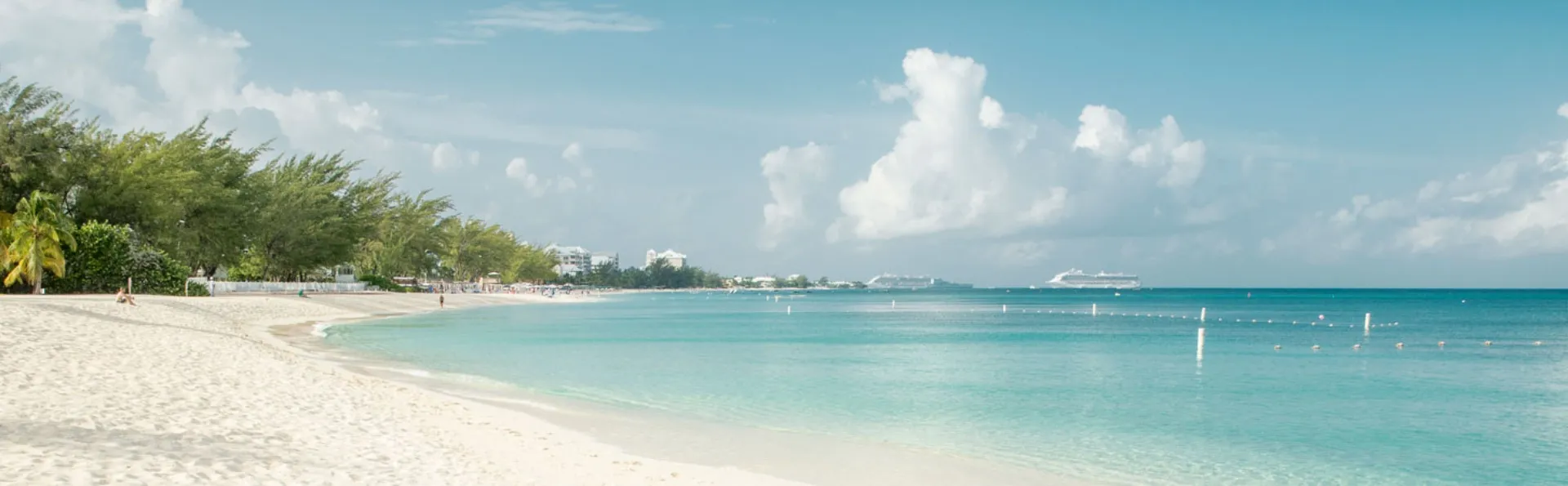
  • Rum Point features a stunning white sand beach and crystal clear waters
  • Rum Point is home to a popular beach bar and restaurant, the Wreck Bar
  • Stingray City, a shallow sandbar popular for swimming with stingrays, is located near Rum Point
  • Rum Point is a great spot for snorkeling, paddle boarding, and kayaking
  • Browse our Cayman vacation rentals.

Rum Point, Cayman Weather/Climate

Average Temperatures

January
83° F
° F
February
83° F
° F
March
85° F
° F
April
86° F
° F
May
88° F
° F
June
89° F
° F
July
90° F
° F
August
90° F
° F
September
90° F
° F
October
88° F
° F
November
86° F
° F
December
84° F
° F

Average Rainfall

January
2.04 inches
February
1.5 inches
March
1 inches
April
1.3 inches
May
5.9 inches
June
6.2 inches
July
5.7 inches
August
6 inches
September
8.7 inches
October
8.65 inches
November
6.05 inches
December
2.7 inches

History

Grand Cayman, Cayman Brac, and Little Cayman make up the Cayman Islands, a British Overseas Territory set in the western Caribbean Sea. Though small in size, the islands have a deep and varied history that continues to shape the identity and culture of the Caymanian people.

That story begins with the Taino, an Indigenous group thought to have journeyed from South America around the 4th century AD. They lived off both land and sea, farming and fishing to sustain their communities. When Spanish explorers reached the islands in the 1500s, they named them Las Tortugas—a nod to the many sea turtles that swam in the surrounding waters.

By the early 1600s, British pirates and buccaneers began using the islands as a base for raiding Spanish ships moving through the Caribbean. Their presence marked the start of European settlement. In the mid-1700s, Britain formally claimed the territory, naming it the Cayman Islands after the caiman crocodiles that once inhabited the area.

During the late 1700s, the islands became known as a safe and dependable port of call for vessels traveling between Europe and the Caribbean. With sheltered harbors and reliable freshwater, they offered ideal conditions for rest and resupply. Around this time, the islands’ first key industries—fishing, shipbuilding, and turtle harvesting—took root.

The 19th century brought lasting change. Grand Cayman’s first permanent settlement was founded in 1831, the same year the islands were officially declared a British colony. As fishing and the turtle trade expanded, workers from Cuba, Jamaica, and other parts of the Caribbean arrived, and the population steadily grew.

By the early 1900s, the turtle industry had reached its height, bringing considerable wealth through the export of meat and shells. But when global protections for sea turtles took effect in the 1960s, the trade collapsed, forcing the islands to seek new paths forward.

Tourism and finance gradually took its place. Today, the Cayman Islands are not only one of the world’s top offshore financial centers but also a major travel destination, drawing visitors with their white sand beaches, clear turquoise waters, and easygoing island charm. Together, these industries transformed the economy and positioned the Caymans as a significant presence on the world stage.

Despite all that growth and change, the islands have held on to their distinctive spirit. Every chapter of their history—from their Indigenous roots to their pirate lore and modern prosperity—has left a mark. The result is a culture that’s resilient, diverse, and unmistakably Caymanian.

Transportation on Rum Point, Cayman

Getting to Rum Point, Cayman and getting around. Our transportation tips will help make your trip smoother. More good sand advice.

Entry Documents

  • Passport: Valid for the duration of your stay.
  • Visa: Not required for UK citizens and most other nationalities for stays up to 6 months.
  • Return or Onward Ticket: Proof of departure from the Cayman Islands is required.
  • Travel Authorization: Most visitors do not need pre-arrival authorization, but travelers may need to complete an online travel declaration or health form depending on current regulations.

Departure Tax

A departure tax of US$29 is charged at the airport for international departures.

Driving

  • License: Visitors can drive with a valid foreign driver's license for up to 3 months.
  • Permit: A temporary driving permit is required, obtainable at the airport or local police stations.
  • Driving Side: Left-hand side of the road.
  • Road Conditions: Generally excellent, with paved roads and clear signage.
  • Speed Limits: Typically 25-40 mph (40-64 km/h) in urban areas, with higher speeds on highways.
  • Traffic Rules: Be mindful of all traffic signals, pedestrians, and local driving customs. Watch out for cyclists, especially in more rural areas.

Local Transportation

1. Public buses: The most common and affordable mode of transportation in Cayman is the public bus system. These buses cover major routes on the island and operate from early morning until late at night.

2. Taxis: Taxis are readily available in Cayman and are a convenient option for getting around the island. They are also regulated and have fixed rates, making them a safe and reliable option.

3. Rental cars: Renting a car is a popular option for tourists in Cayman, as it allows for more flexibility and independence in exploring the island. There are many car rental companies available in major tourist areas.

4. Water taxis: For those looking for a unique way to get around the island, water taxis are a great option. These boats operate between major ports and can be a fun and scenic way to travel.

5. Bicycle rentals: With its flat terrain, Cayman is a great place for cycling. There are many rental shops available, and some accommodations also provide bicycles for their guests.

6. Scooter rentals: For a more adventurous way of getting around, visitors can also rent scooters and explore the island at their own pace.

7. Shuttle services: Many hotels and resorts offer shuttle services for their guests, making it easy to get around the island without worrying about transportation.

8. Walking: Due to the small size of the island, walking is also a popular and convenient option for getting around. It's a great way to explore the island at a leisurely pace and take in the beautiful scenery.


Know Before You Go...® - Rum Point, Cayman Travel Tips

Before making their way to Rum Point, Cayman , vacationers like to know a little bit of helpful information to make them feel more at home during their stay. Take a look at our travel tips to make your time in villas in Rum Point, Cayman even more relaxing.

Capital: 2004George Town
Population: 2021Approximately 70,000.
Size: 2017Approximately 76 square miles.
Electric Current: 110
Time: Timezone: EST, 2026-06-03 18:18:45
(GMT Offset: -5 hours, DST: No)
Official Language: Rum Point is a small village located in the Cayman Islands. The official language spoken is English, which is also the primary language used for business and government purposes. However, many locals also speak a secondary language, known as Caymanian Cre
Currency: Rum Point is a popular vacation destination located on the northern coast of Grand Cayman Island. Being a small but bustling tourist spot, it offers a variety of currency and payment options to cater to the needs of its visitors. The official currency of Rum Point is the Cayman Islands Dollar (KYD), which is pegged to the US Dollar at a fixed exchange rate of 1 KYD = 1.25 USD. This makes it easy for tourists from the United States to make transactions without having to deal with fluctuating exchange rates. In addition to the local currency, many establishments in Rum Point also accept US Dollars, which is widely used and easily convertible. However, it is always advisable to carry some local currency for smaller transactions, especially when shopping at local markets or street vendors. Credit cards are widely accepted in Rum Point, with Visa and Mastercard being the most commonly used. Some establishments also accept American Express and Discover cards, but it is always best t
Tipping and Taxes: Tipping and taxes in Rum Point, a popular destination in the Cayman Islands, are an essential part of the local culture and economy. Tipping, or leaving a gratuity, is customary in Rum Point and is seen as a way to show appreciation for good service. It is typically expected in restaurants, bars, and hotels, and a tip of 15-20% of the total bill is considered appropriate. In addition to tipping, visitors to Rum Point should also be aware of the taxes that are applied to goods and services. The main tax is the Cayman Islands government's Value Added Tax (VAT), which is currently set at 22%. This tax is applied to most goods and services, including food, drinks, accommodations, and activities. It is usually included in the total price and is not something that visitors need to calculate or pay separately. There is also a tourist tax of 13% that is added to the cost of accommodations. This tax helps to fund the Cayman Islands Tourism Association and is used to promote and improve th
Dress Code: The dress code at Rum Point is casual and relaxed, allowing for comfortable attire such as shorts, sundresses, and sandals.
Topography: Rum Point is a scenic and sandy peninsula located on the northern coast of Grand Cayman, boasting calm turquoise waters, pristine beaches, and stunning views of the Caribbean Sea.
Telephone: Country code: +1 Area code: 345

Rum Point, Cayman Weddings and Honeymoons

In the Cayman Islands, the process of getting married is relatively simple. Couples must apply for a marriage license at the local registry office. Required documents include:

  • Valid passports or national ID cards for both parties.
  • Birth certificates for both parties.
  • Proof of marital status: If divorced, a final divorce decree; if widowed, a death certificate of the spouse.
  • Proof of residence in the Cayman Islands (if applicable).
  • Affidavit of no impediment to marriage (a statement affirming both parties are legally eligible to marry).

The marriage license costs approximately US$250. Additional fees for the officiant may apply, ranging from US$100 to US$300, depending on the ceremony. It is recommended to apply for the license at least 2 days before the intended wedding date.

See all our luxury villas in Cayman