Know Before You Go...®

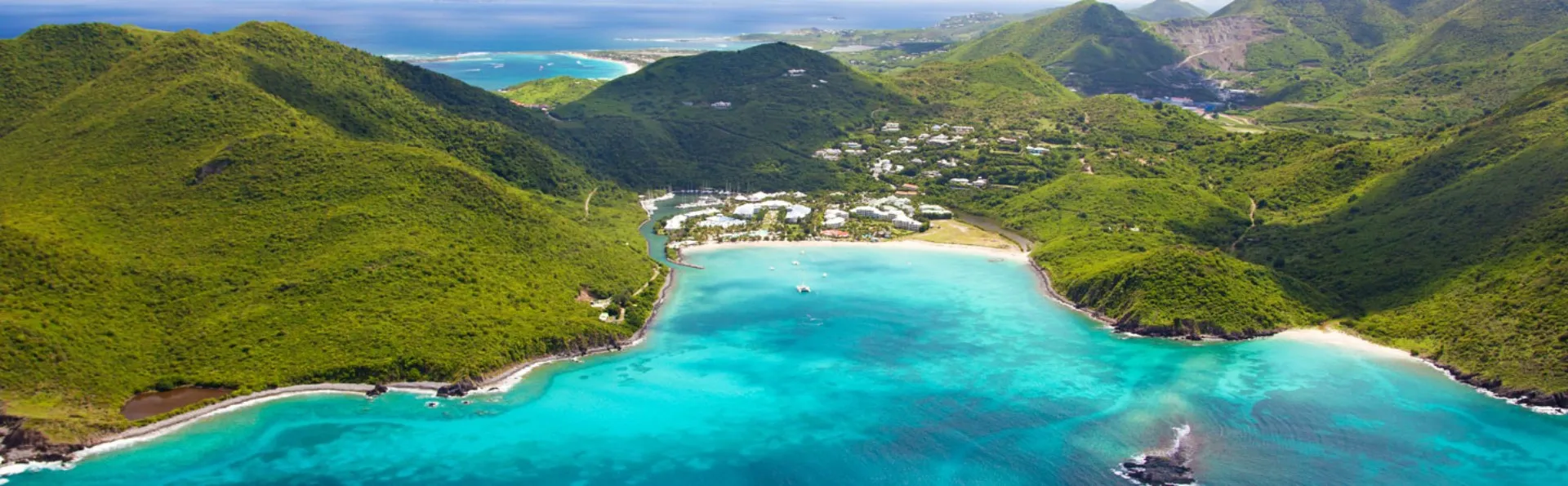
Split between Dutch and French influences, St. Martin offers culture and coastal beauty. Luxury villas in St. Martin on the French side are chic and serene, while the Dutch side features larger estates with lively surroundings. Villa rentals in St. Martin are ideal for gourmet escapes and beachfront living.

Why Indigo Bay (Dutch Side), St. Martin?

  • Indigo Bay is home to one of the Caribbean's largest mangrove swamps.
  • The bay is a popular spot for water sports, such as kayaking, sailing, and snorkeling.
  • Indigo Bay is home to many species of sea life, such as sea turtles, parrotfish, and barracudas.
  • The bay has some of the best beaches in the Caribbean, with white sand and crystal-clear waters.
  • The bay is surrounded by lush jungles, making it a perfect spot for wildlife watching.
  • Browse our St. Martin vacation rentals.

Indigo Bay (Dutch Side), St. Martin Weather/Climate

Average Temperatures

January
84° F
° F
February
84° F
° F
March
85° F
° F
April
76° F
° F
May
87° F
° F
June
89° F
° F
July
89° F
° F
August
89° F
° F
September
89° F
° F
October
89° F
° F
November
86° F
° F
December
85° F
° F

Average Rainfall

January
1.35 inches
February
1.25 inches
March
0.88 inches
April
1.76 inches
May
1.77 inches
June
1.68 inches
July
1.93 inches
August
2.39 inches
September
2.49 inches
October
2.91 inches
November
3.78 inches
December
1.78 inches

History

St. Martin is a small island in the Caribbean, celebrated for its stunning beaches, lively culture, and layered history. Long before Europeans arrived, the Arawak and Carib peoples called the island home. It wasn’t until the late 15th century that European explorers first set eyes on it.

In 1493, during his second voyage to the New World, Christopher Columbus claimed the island for Spain. Still, more than a century passed before the Dutch West India Company founded the first lasting European settlement in 1631. They named their outpost Fort Amsterdam. Not long after, the French moved in and established their own colony on the northern side, which they called Quartier d'Orleans.

For many years, the Dutch and French vied for control, building separate communities and trading with both the indigenous population and enslaved Africans. In 1648, the two sides finally signed a treaty that split the island in half, creating the unusual dual-nation arrangement that remains in place today.

During the 18th and 19th centuries, St. Martin became tied to the transatlantic slave trade. Thousands of enslaved Africans were forced to work on plantations that produced sugar, tobacco, and cotton. This system collapsed after slavery was abolished on both sides of the island in 1848, and the plantation economy soon declined.

The early 20th century brought a period of hardship, but by the 1930s, St. Martin was drawing American tourists who were crossing the Atlantic. The growing stream of visitors sparked development, and hotels and resorts began to reshape the island’s economy.

By 1957, the French side had become an official overseas territory of France, while the Dutch side remained within the Kingdom of the Netherlands. This division gave each half the chance to preserve its own cultural identity, while tourism helped both prosper.

Today, St. Martin attracts travelers from around the world. Its beaches, food, and the mix of French, Dutch, and Caribbean influences make it one of the most distinctive destinations in the region. The island’s past reflects the resilience of its people, who have weathered centuries of change to build a thriving community.

Transportation on Indigo Bay (Dutch Side), St. Martin

Getting to Indigo Bay (Dutch Side), St. Martin and getting around. Our transportation tips will help make your trip smoother. More good sand advice.

Entry Documents

  • Passport: Valid for the duration of your stay.
  • Visa: Not required for UK citizens and most other nationalities for stays up to 90 days.
  • Return or Onward Ticket: Proof of departure from St. Martin is required.
  • Travel Authorization: No pre-arrival authorization is needed for most visitors, but travelers may need to complete an entry form or health declaration depending on current regulations.

Departure Tax

There is no departure tax on St. Martin.

Driving

  • License: Visitors can drive with a valid foreign driver's license for up to 90 days.
  • Permit: A temporary driving permit is required on the French side, obtainable at the local police station.
  • Driving Side: Right-hand side of the road.
  • Road Conditions: Generally good, with paved roads and clear signage.
  • Speed Limits: Typically 25-40 mph (40-64 km/h) in urban areas and higher speeds on highways.
  • Traffic Rules: Be mindful of local traffic regulations, pedestrians, and driving customs. Watch out for pedestrians and cyclists, particularly in busy areas.

Local Transportation

1. Taxis: Taxis are a popular and convenient mode of transportation in St. Martin. They are readily available at the airport, major hotels, and tourist areas. Taxis are also a good option for short trips within the island.

2. Rental Cars: Renting a car is a great way to explore the island at your own pace. There are several car rental companies available in St. Martin, and most of them offer a variety of vehicles to choose from.

3. Public Buses: The island has a local bus system that connects major towns and villages. The buses are inexpensive and a good option for budget travelers. However, they can be crowded and may not always run on schedule.

4. Water Taxis: As St. Martin is an island, water taxis are a popular mode of transportation for getting around. They are a great way to visit nearby islands and beaches. Water taxis are also available for private hire.

5. Scooters: Scooters are a fun and convenient way to get around the island. They are available for rent at various locations and are a popular choice for tourists.

6. Bicycle Rentals: St. Martin has many scenic bike paths, making it a great place to explore on two wheels. Bicycle rentals are available at various locations on the island.

7. Walking: Many areas of St. Martin are easily accessible on foot, especially in the main towns. Walking is a great way to explore the island and take in its beautiful scenery.

8. Private Transfers: Private transfers are a convenient and comfortable option for getting around St. Martin. They can be arranged through hotels or tour companies and are a good option for larger groups.

9. Ferries: Ferries are available for travel between St. Martin and neighboring islands such as Anguilla and St. Barts. They are a popular choice for day trips and offer beautiful views of the Caribbean Sea.

10. Helicopter Tours: For a unique and luxurious means of transportation, consider taking a helicopter tour of the island. This is a great option for those looking for a scenic and memorable experience.

Know Before You Go...® - Indigo Bay (Dutch Side), St. Martin Travel Tips

Before making their way to Indigo Bay (Dutch Side), St. Martin , vacationers like to know a little bit of helpful information to make them feel more at home during their stay. Take a look at our travel tips to make your time in villas in Indigo Bay (Dutch Side), St. Martin even more relaxing.

Capital: 2019Philipsburg
Population: 2021Unknown
Size: 2022Unknown
Electric Current: 110/220
Time: Timezone: AST, 2026-07-18 20:29:46
(GMT Offset: -4 hours, DST: No)
Official Language: The official language spoken in Indigo Bay (Dutch Side) is Dutch, while the secondary language is English. Dutch is used for government and business purposes, while English is commonly used in daily communication and tourism. The prevalence of English in
Currency: Indigo Bay, located on the Dutch side of the island of St. Maarten, is a popular tourist destination known for its beautiful beaches, crystal-clear waters, and vibrant nightlife. For those planning a trip to this stunning destination, it is important to understand the currency and payment options available in Indigo Bay. The official currency of the Dutch side of St. Maarten is the Netherlands Antillean guilder (ANG), also known as the florin. However, the US dollar is widely accepted and preferred by most businesses in Indigo Bay. This is due to the fact that the island is a popular cruise ship destination, and many tourists come from the United States. It is recommended to carry both ANG and USD when visiting Indigo Bay to avoid any inconvenience. Most businesses in Indigo Bay, including hotels, restaurants, and shops, accept major credit cards such as Visa, Mastercard, and American Express. However, it is always a good idea to carry some cash, especially for small purchases an
Tipping and Taxes: Tipping and taxes in Indigo Bay, located on the Dutch side of the island of St. Maarten, follow similar practices as other Caribbean destinations. In general, tipping is expected in the service industry and taxes are levied on goods and services. Tipping in Indigo Bay is not mandatory, but it is common practice to tip 10-15% of the total bill in restaurants, bars, and for taxi services. Some establishments may include a service charge in the bill, so it is important to check before adding an additional tip. It is also customary to tip hotel staff, such as housekeeping and bellhops, a few dollars per day. Tour guides and drivers also appreciate a tip for their services. Taxes in Indigo Bay include a 9% government tax on goods and services and a 5% sales tax on all purchases. These taxes are typically included in the price of goods and services, but it is important to check to avoid any surprises. Some hotels and resorts may also charge an additional room tax, which can range from
Dress Code: "Indigo Bay (Dutch Side) has a casual dress code that allows for comfortable and relaxed attire, while still maintaining a stylish and put-together appearance."
Topography: Indigo Bay (Dutch Side) has a varied topography, featuring a mix of sandy beaches, rocky cliffs, and lush tropical forests, with the highest point being Mount Ami-Ama at 360 meters.
Telephone: The telephone country code for Indigo Bay (Dutch Side) is +1-721, and the area code is 54.

Indigo Bay (Dutch Side), St. Martin Weddings and Honeymoons

In St. Martin, the process of getting married is straightforward. Couples must apply for a marriage license at the local registry office. Required documents include:

  • Valid passports for both parties.
  • Birth certificates for both parties.
  • Proof of marital status: If divorced, a final divorce decree; if widowed, a death certificate of the spouse.
  • Proof of residence in St. Martin (if applicable).
  • Affidavit of no impediment to marriage (a statement affirming both parties are legally eligible to marry).

The marriage license costs approximately €100 (French side). Additional fees for the officiant can range from €200 to €500 (approximately US$220 to US$550), depending on location and type of ceremony. It is recommended to apply for the license at least 2-3 business days before the intended wedding date.

See all our luxury villas in St. Martin